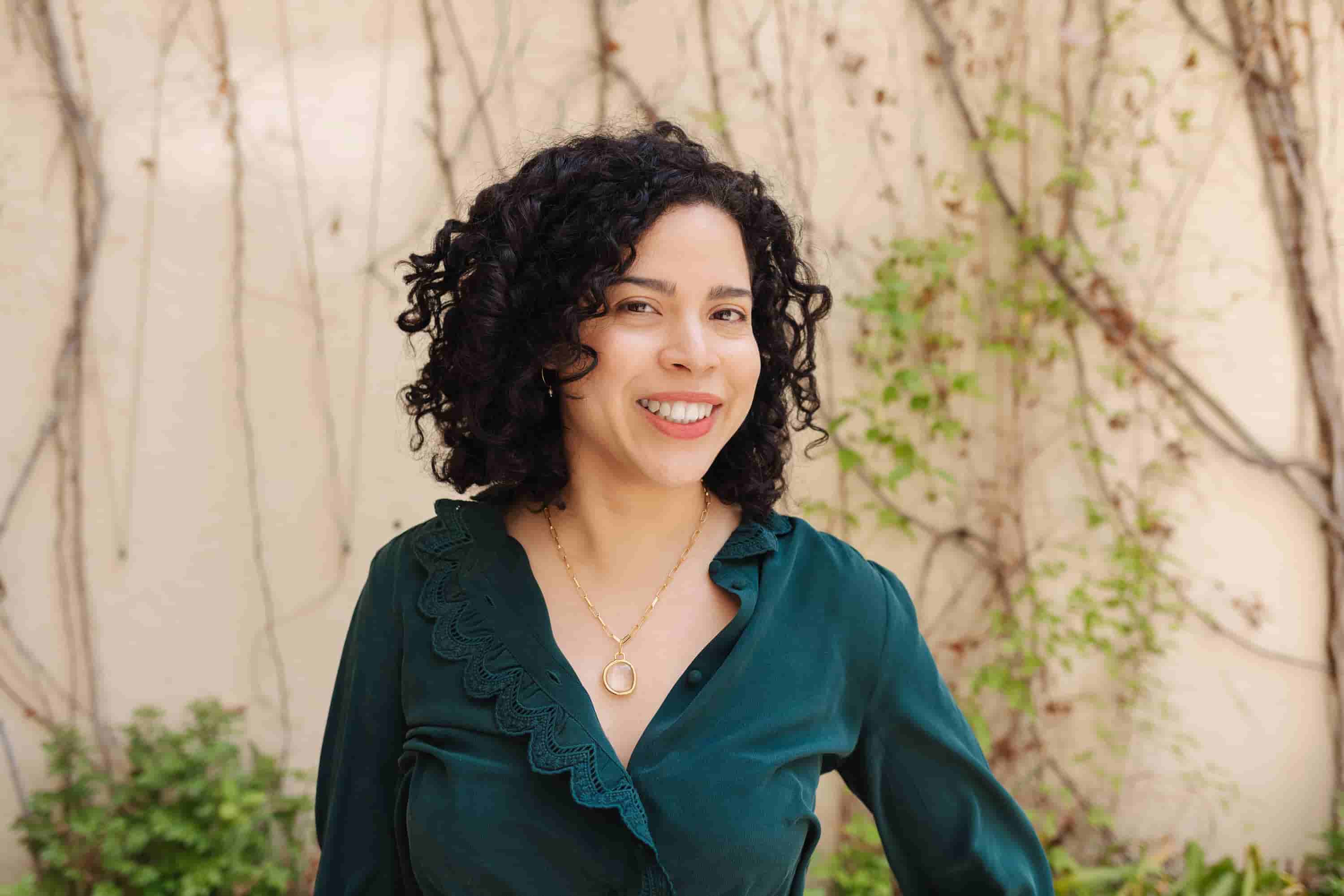
Fractional Operations Lead
Fractional Ops
I first fell in love with Operations when I took an Operations Research module at university. Since then, I've taken on multiple roles across different types of organisations, but always approached them with an Ops lens. From planning and strategy at Fairtrade International, to leading operations at FemTech startup inne. I love building processes and structures from scratch, aligning them to the company's longer-term strategy and values, and finding ways to adapt and improve as the organisation grows.
Quick check-in with the team to start the day and remove any blockages. Focused work in the mornings (when my brain functions best), meetings and collaborative work in the afternoons.
I'm very proud of having built a values-aligned system at inne. I joined the company very early on, which meant having to design processes and grow a team from scratch, while meeting very strict regulatory requirements, counting on very limited resources, a lean team, and managing endless curveballs. Some of my highlights were: - Obtaining ISO 13485 and IVDD CE mark certifications in one year, fully in-house and from 0, with a team of 5 people. Six years, with a team x5 bigger, led the process to get successfully certified under IVDR. - Setting up people and org processes that consistently led to an eNPS score of 9/10. - Setting up a customer-facing process that was, since the beginning, very highly (>90% satisfaction with the customer success team, and an NPS score that reached >70).
Simplicity. I like to turn complex problems into simple solutions.
I love doing my weekly planning at the end of the day on Friday, that way I don't have to think about loose ends and pending items over the weekend and can go into my Mondays feeling prepared and ready to go. In terms of tools, I'm not very loyal. I like to keep myself up to date with what's out there. Lately, I'm enjoying using AI LLMs, Zapier and Lovable to streamline processes, but the one I still cannot manage to live without is Excel/Google Sheets.
Air, pen and paper. When everything feels like it's on fire, it helps me immensely to force myself to take a break for a few minutes, breathe (as I go for a walk, a tea, or grab a coffee outside), go back to my desk, write things down and organise them on paper. Old-fashioned, I know, but it helps me clear my head and decide how to resolve things and in which order. With time, I've learned that taking those 15-25 minutes can end up saving me hours.
I think great operations leadership is the one you hear least about, because it means that things run smoothly (most of the time), so it *seems* "easy" to everyone else. For that to happen, great Operations should combine great people skills and number literacy.
Ops shouldn't solve every single problem in the company. I've found that turning the problem around and encouraging solutions to come from the rest of the team - with a bit of ops guidance: How feasible is this? How scalable is this? How does it interact with other processes? - can bring out some of the best and most creative solutions.
Ops is often taken for granted and doesn't get immediately associated with creativity and fun. I feel this is changing, in great part thanks to the fast pace of change as AI and automations become more pressing and companies are placing more emphasis on efficiencies.
Despite outside perception, Ops can be a very creative and people-focused career. In fact, the one thing you can always count on is that there will be changes, so it can be a great career path if you enjoy a broad range of tasks and get bored easily. If that's you, then you are in great luck, because you'll also get the chance to work with some of the nicest people out there. Welcome!