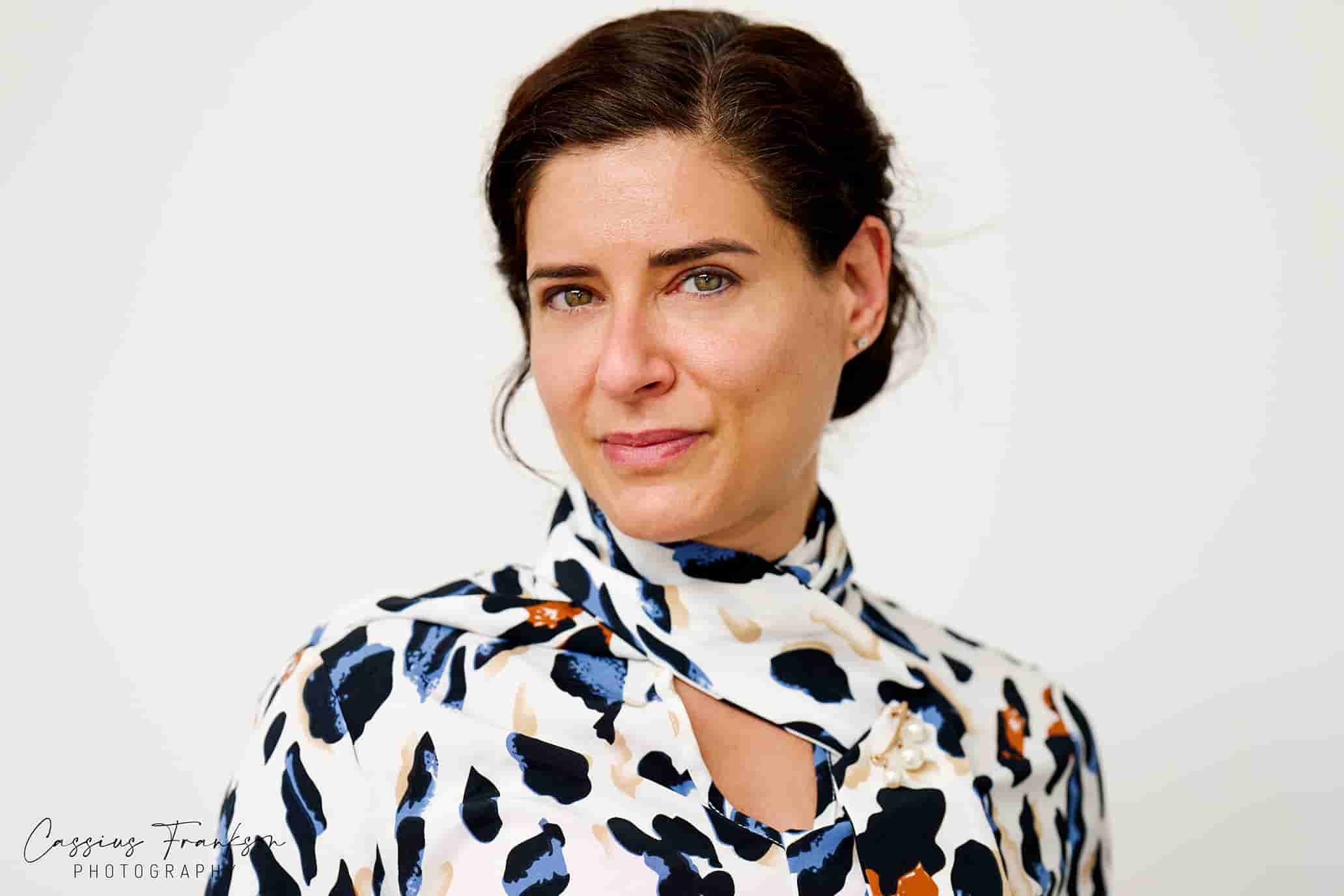
Operations Specialist
Self-employed / Freelance
Started in F&B, moved to Retail, then Tech for Film&TV, doing delivery and ops across commercial sectors, I loved figuring out where teams were drowning in manual work, working inefficiently and building systems to free them up. But over 15 years, I realised I was doing this for organisations where I didn't believe in what they were making. Last year, after a redundancy, took space to realign, and deliberately moved into impact work. Now testing fractional and freelance model for nonprofits and purpose-led orgs, doing the same systems/process work but for missions that matter. Remit has shifted from "deliver X at scale" to "help small teams amplify impact without drowning in manual chaos."
Across 2-3 concurrent projects, ideally. Days split between deep work (designing workflows, mapping systems, solving structural problems) and collaboration time with teams to troubleshoot, iterate, and make sure they actually want to use what we're building. I've learned that the system itself is only half the battle; the other half is bringing people along so they see how it makes their work easier, not harder. I'd want flexibility to go deeper on one project when it needs it, then shift focus when another needs the implementation push. That rhythm keeps me sharp and prevents the consultant trap of designing things nobody actually adopts.
The career pivot itself. Taking 15 years of commercial ops expertise, recognising it wasn't aligned with what mattered to me, and deliberately building a new model that lets me do the work I'm actually good at—systems design, process clarity, workflow optimisation—but for organisations I believe in. It would've been easier to stay comfortable in the old model. But making the intentional choice to align my work with my values, to test a freelance approach, to be honest about experimenting rather than pretending I had it all figured out—that took more courage than any single project. And it's working. That's what I'm most proud of.
Connecting the dots between tools, people, and processes—and knowing exactly where to leverage AI to design systems that actually work for how teams operate, not against it.
My trilogy of assistants: ChatGPT, Claude, and Perplexity. A year ago I would've said Notion or Asana, but honestly? I couldn't do my work now without AI. They're how I think through problems faster, design better systems, automate repetitive work, and help teams do more with less. Which, let's be real, is what operations is actually about: eliminating waste and creating space for humans to do the work that matters. I'm experimenting with building AI into nonprofit operations workflows, which is where I think the real opportunity is for mission-driven teams.
Breaking the big mess into smaller, solvable pieces. But I also know when I need to stop and ask for help instead of trying to be heroic: no ego about it, if someone else has the answer or a better way, that's a win, not a loss. And I'm not too proud to step away when my brain needs to reset. I learned early on that pushing through doesn't solve anything; clarity comes from pausing, then coming back with fresh eyes.
Great ops leadership is about serving the mission and the people doing it, not your own vision of the perfect system. It means creating enough clarity and structure that teams can move fast and focus on what matters, but staying humble enough to listen when something isn't working. It's making hard decisions about priorities and saying no to the things that distract, and being strategic enough to see how the pieces connect. But underneath all of it: your job is to enable others' best work, not to build an empire of processes. The systems should be invisible if they're working right.
Notion is overrated. It's brilliant for some teams and workflows, but I see so many nonprofits buy into the hype and then spend months building a beautiful Notion workspace that nobody actually uses because it doesn't solve their actual problem. The best system isn't the most flexible one—it's the one that fits your specific workflow. Sometimes that's Notion. Sometimes it's a CRM. Sometimes it's a combination of three tools working together. I'd rather help a team pick the right tool for their actual need than convince them to force-fit everything into Notion because it's trendy.
More purpose-driven organisations realising that ops isn't something you bolt on when everything's on fire. I'm excited about nonprofits and impact orgs finally catching up on this, treating operations as strategic from the start rather than an afterthought. And with AI tools making it possible for small teams to do what used to require way more headcount, there's a real opportunity to help mission-driven organisations work smarter without having to choose between impact and sustainability. That's where I want to be: helping teams build ops as infrastructure for their mission, not as overhead they tolerate.
Before you implement anything, understand the people using it. Sit with them. Ask why they're doing things the way they're doing them, there's usually a reason, even if it looks inefficient from the outside. Be genuinely curious before you change anything. And know that ops will evolve as you grow: the systems you build at a 2-person team won't work at 10 people, and that's okay. Stay flexible enough to learn, to adapt, to admit when something isn't working and try a different approach. The ops role itself is changing too, especially with AI coming in. The best operators I know aren't the ones with all the answers, they're the ones who stay humble, keep learning, and actually care about making teams' lives easier. That matters more than knowing every tool.